May 21, 2026
A comfortable outdoor space does more than make a property look polished. It can shape how people relax, entertain, move through their yard, and experience their home from season to season. When outdoor areas are planned with purpose, they become practical extensions of the living space rather than unused sections of grass, mulch, or hardscape.
Thoughtful landscaping brings structure to those areas by combining plants, pathways, shade, lighting, drainage, and gathering spaces. It can soften harsh exterior lines, make maintenance easier, and create a welcoming setting. A yard that feels usable, comfortable, and well-maintained can help a property stand out while improving daily enjoyment.
Creating Outdoor Spaces That Feel Inviting
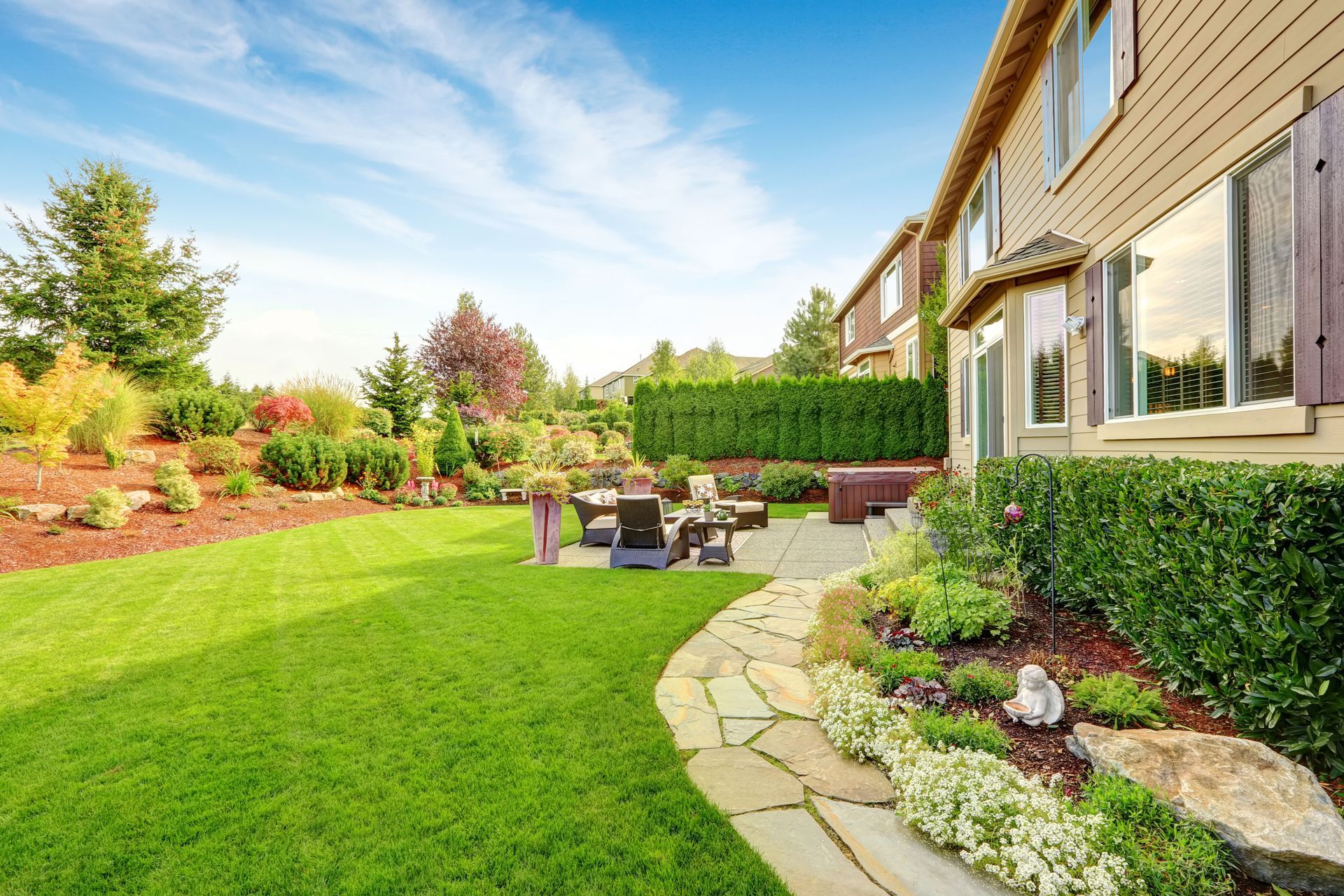
Comfort begins with how an outdoor area feels the moment someone steps into it. Open lawns, patios, gardens, and walkways all serve a purpose, but they need balance to feel natural. Landscaping helps create that balance by defining spaces for sitting, walking, playing, gardening, or entertaining without making the yard feel crowded.
A property with no clear layout can feel unfinished, even if the grass is healthy and the exterior is clean. Strategic plant beds, edging, trees, shrubs, and ground coverings help guide the eye and give each section a role. A shaded seating area can become a place for morning coffee, while a stone path can make a garden easier to enjoy.
Inviting yards also support different uses at different times. A family may need open space for children or pets during the day and a relaxing area for guests in the evening. With the right landscaping, a property can support both without sacrificing appearance or function.
Improving Shade, Cooling, and Seasonal Use
Outdoor comfort depends heavily on temperature, sun exposure, and protection from the elements. A patio that receives direct afternoon sun may look appealing but feel uncomfortable during warmer months. Trees, shrubs, pergolas, and layered plantings can help reduce heat and create more usable areas throughout the day.
Landscaping can also help homeowners think beyond summer use. Evergreen shrubs may add privacy and visual interest during winter, while flowering plants can bring color in spring and summer. A well-planned yard offers seasonal changes without requiring constant redesign. This matters because outdoor spaces are most valuable when they can be enjoyed for more than a few weeks each year.
Shade also affects the home itself. Trees placed with care can reduce sun exposure around windows, doors, and outdoor seating areas. At the same time, professional planning helps avoid common issues such as planting too close to foundations, walkways, or utility lines.
Supporting Privacy, Movement, and Everyday Function
A yard may look attractive from the street but still feel uncomfortable if it lacks privacy or clear movement. Landscaping can address both concerns by using natural barriers, screens, hedges, fencing accents, and properly placed plantings. These features can make patios, pools, decks, and entryways feel more protected without closing off the entire property.
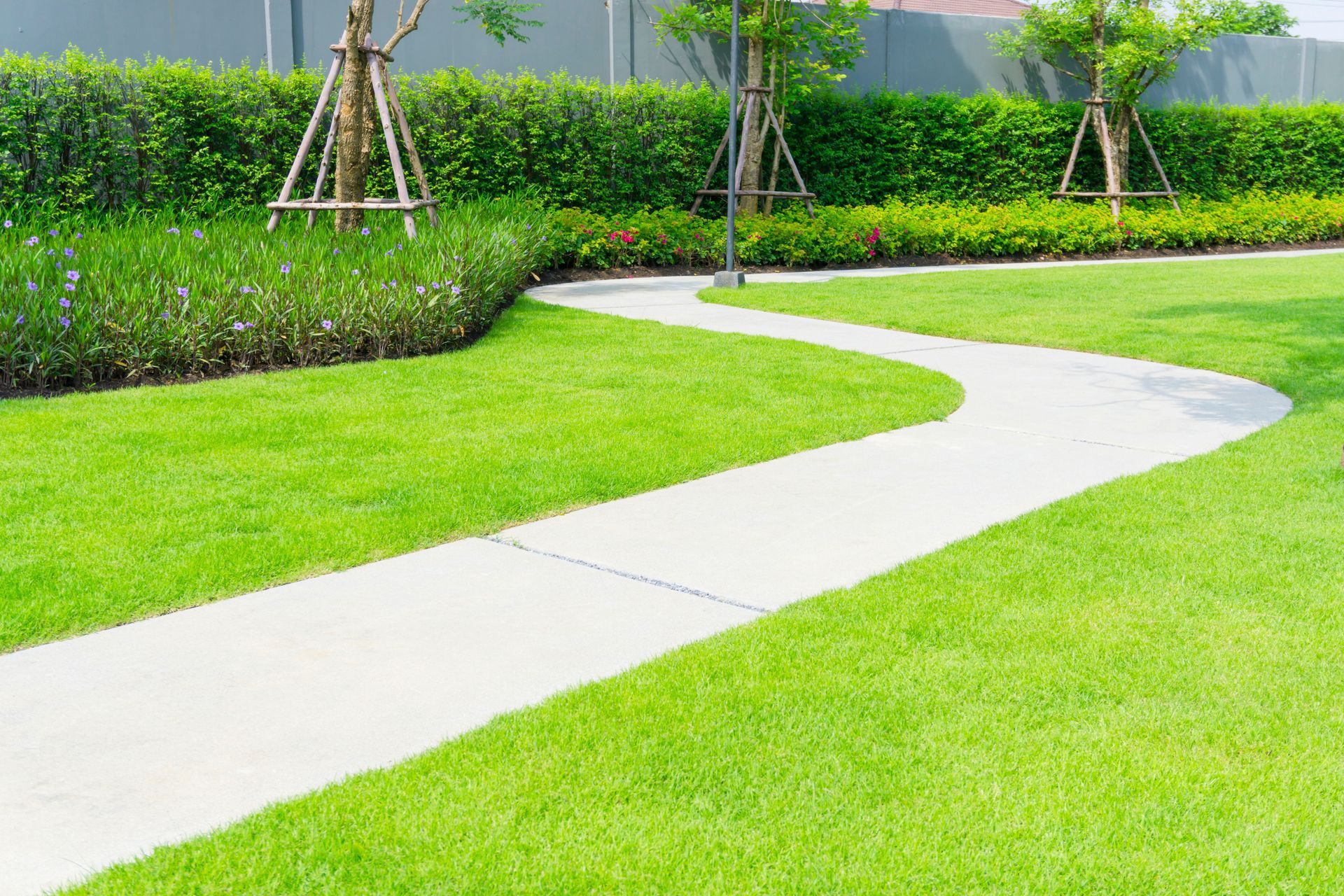
Movement is just as important. Walkways should connect important areas, such as driveways, doors, gardens, sheds, and entertainment spaces. Without defined paths, foot traffic may create worn areas in the lawn or make the yard difficult to navigate after rain. Hardscape features and planting borders can guide movement while preserving the surrounding landscape.
Function also includes maintenance. A yard that looks beautiful but requires more upkeep than the homeowner can manage may become stressful over time. Professional landscaping can help match plant choices, lawn areas, and bed designs to the owner’s lifestyle. That creates an outdoor space that feels enjoyable rather than demanding.
Protecting Lawn Health and Natural Resources
Healthy lawns and plantings play a major role in outdoor comfort and property presentation. According to Workyard, lawns occupy about 40 million acres of land across the U.S. With that much space dedicated to residential, commercial, and public turf, responsible lawn care and landscape planning can make a meaningful difference in how properties function.
Landscaping supports lawn health by addressing soil conditions, drainage, sunlight, irrigation, and plant placement. When these factors are ignored, homeowners may deal with bare patches, standing water, erosion, weeds, or uneven growth. These problems can affect appearance and usability, especially in high-traffic areas.
Sustainable planning can also reduce waste. Choosing plants suited to the local climate may lower water demands and improve long-term growth. Mulch can help retain moisture and protect root systems. Proper grading can direct water away from structures and toward areas that can absorb it safely. These choices help the yard stay healthier while supporting more efficient care over time.
Increasing Curb Appeal and First Impressions
First impressions often begin before anyone reaches the front door. A clean, balanced landscape can make a property feel cared for, organized, and welcoming. Overgrown shrubs, patchy grass, damaged edging, or poorly placed plant beds can send the opposite message, even when the home itself is in good condition.
Landscaping improves curb appeal by framing the home and highlighting its best exterior features. Foundation plantings can soften sharp architectural lines, while ornamental trees can add height and dimension. Fresh mulch, trimmed hedges, colorful flowers, and clean borders can make the front yard feel polished without overwhelming the design.
Curb appeal also depends on proportion. Plants that are too large for the home may block windows, crowd walkways, or make the entry feel hidden. Plants that are too small may make the yard look sparse. A professional approach helps create a design that feels balanced now and still works as plants mature.
Strengthening Long-Term Property Value
Outdoor improvements can influence how people perceive a property’s overall value. Buyers often look for homes that feel move-in ready, and a well-maintained yard can contribute to that impression. Even for homeowners who are not planning to sell, investing in the exterior can protect pride of ownership and support future marketability.
Landscaping adds value because it improves both appearance and usability. A yard with defined gathering areas, healthy plantings, safe walkways, and attractive borders offers more than visual appeal. It gives people more ways to enjoy the property. Outdoor spaces that feel functional can be especially meaningful for families who entertain, garden, relax outside, or want more privacy.
Long-term value also comes from preventing problems. Proper drainage can help protect foundations and lawns from water damage. Tree and shrub placement can reduce future maintenance conflicts. Durable materials can keep walkways and borders looking clean for years. These practical benefits make landscaping an investment in comfort, care, and property performance.
Making Outdoor Care Feel More Manageable
A beautiful yard should not feel like an endless chore. Many homeowners want outdoor spaces that look refined but still fit their schedule, budget, and comfort level. This is where planning matters. The right design can reduce frustration by placing plants where they can thrive, limiting high-maintenance areas, and creating clear routines for seasonal care.
Landscaping can simplify outdoor care through smart plant selection, efficient bed layouts, proper trimming schedules, and lawn care strategies that match the property’s needs. Instead of reacting to problems after they appear, homeowners can maintain a healthier yard with a more predictable plan.
Professional support also helps property owners make confident decisions. From refreshing curb appeal to improving backyard comfort, expert guidance can turn scattered ideas into a cohesive outdoor environment. When every feature has a purpose, the result is a property that feels easier to enjoy, easier to maintain, and better prepared for long-term value. Call Clark's Precision Landscaping Inc today to schedule your landscaping service.